Turning buildingsinto AIinfrastructure.
Power is already distributed.
AI infrastructure can be too.
GRID AI deploys intelligent compute inside existing homes and buildings, connecting suitable locations into one distributed AI infrastructure network.
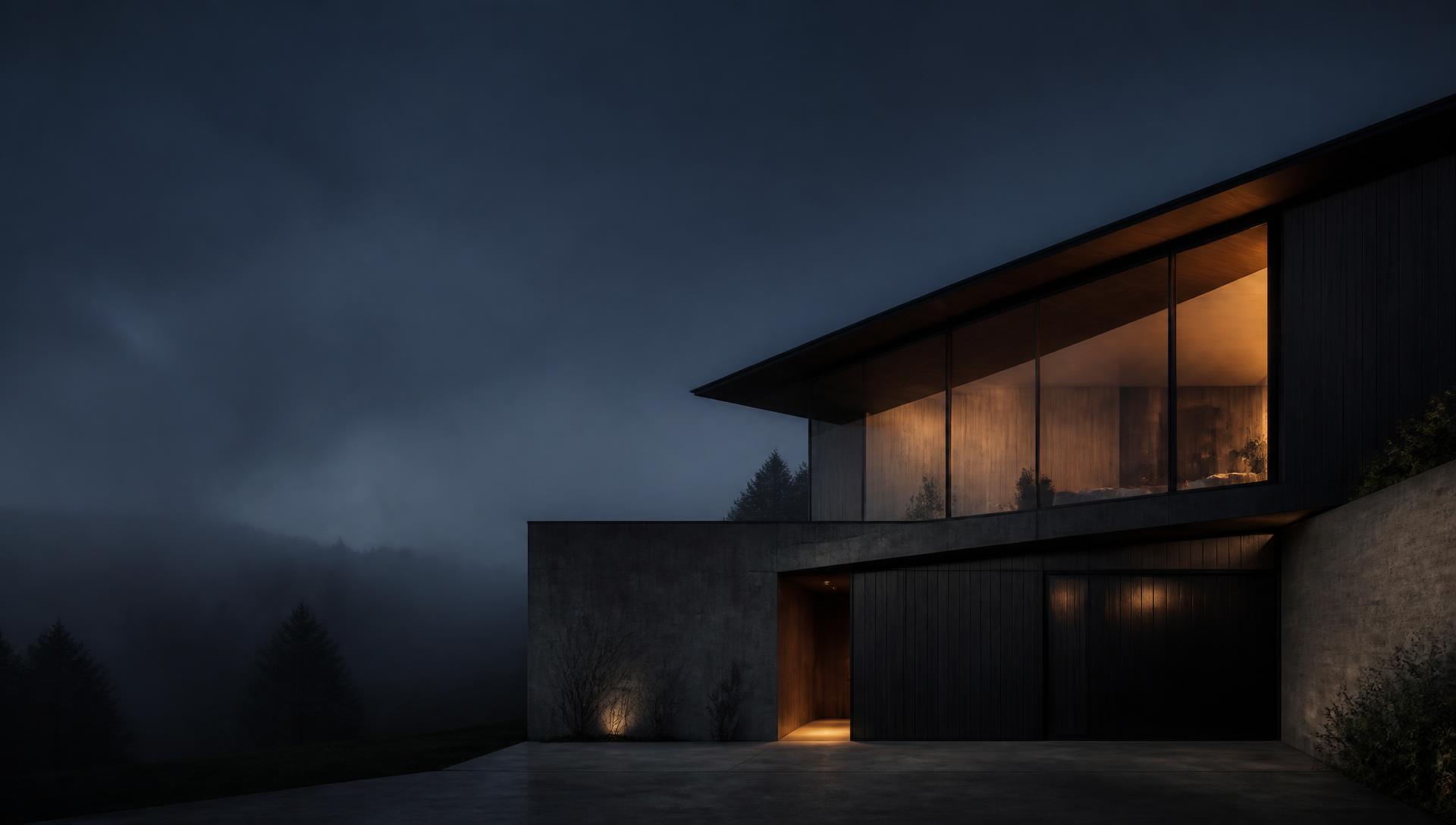
Existing infrastructure
Homes and buildings already provide power, space and connectivity.
AI compute
GRID AI adds modular AI compute capacity.
Intelligent control
Compute adapts to the electrical capacity available.
One network
GRID AI coordinates distributed locations as one infrastructure platform.
Existing buildings.
New AI infrastructure.
GRID AI deploys compute where power is available.
GRID AI doesn't build traditional datacenters. GRID AI turns existing electrical infrastructure into AI infrastructure, complementing the datacenter ecosystem by unlocking an entirely new distributed layer alongside it.
The power is already there
Millions of homes and buildings already have electrical connections, and much of that capacity is unused for most of the day.
The buildings are already there
Technical space and connectivity already exist inside the built environment.
The opportunity is to connect it
GRID AI is designed to turn that existing infrastructure into a new, coordinated layer of AI compute.
Don't bring all the power to the compute.
Bring the compute to the power.
Today
Power → compute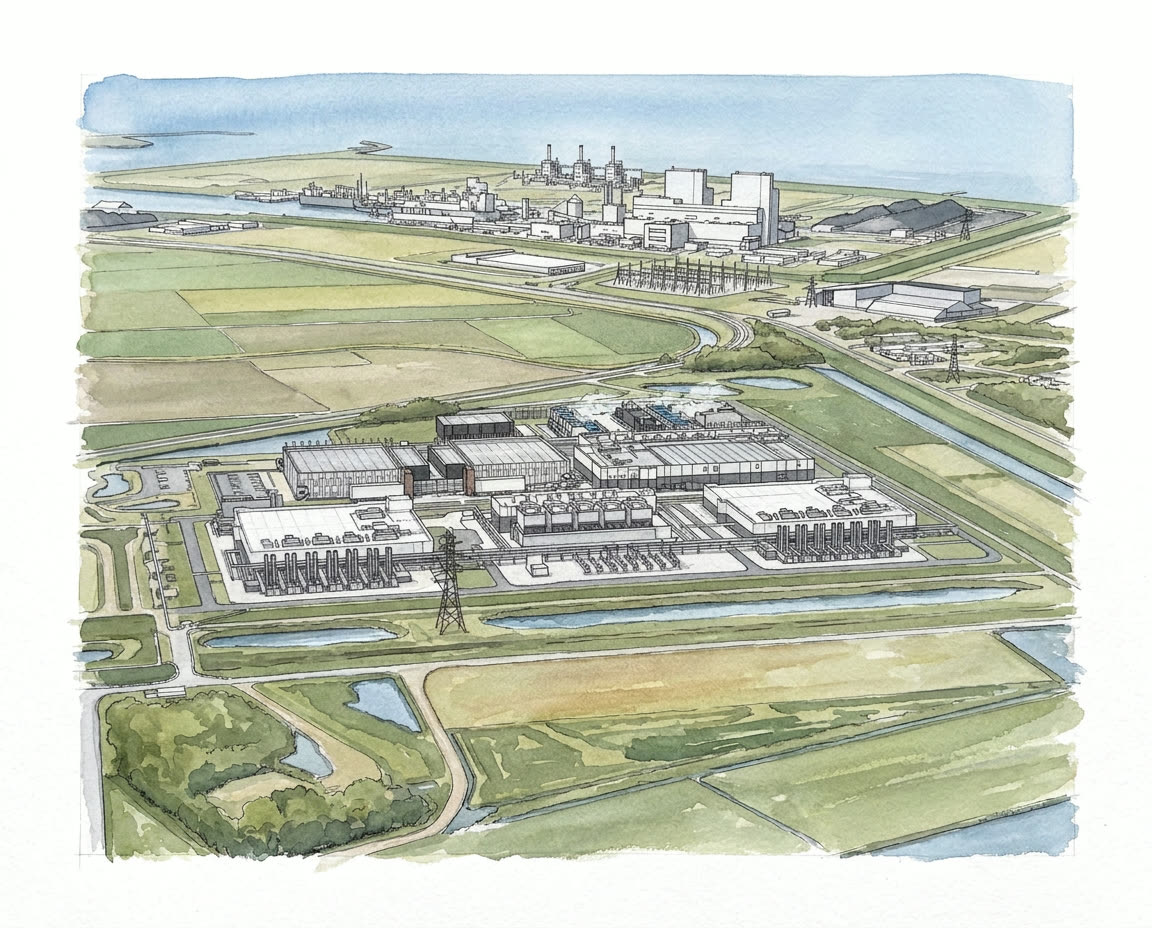
One location.
Concentrated power.
Centralized compute.
GRID AI architectural illustration — centralized compute and dedicated power infrastructure. Conceptual.
GRID AI
Compute → existing power
Many locations.
Existing connections.
One network.
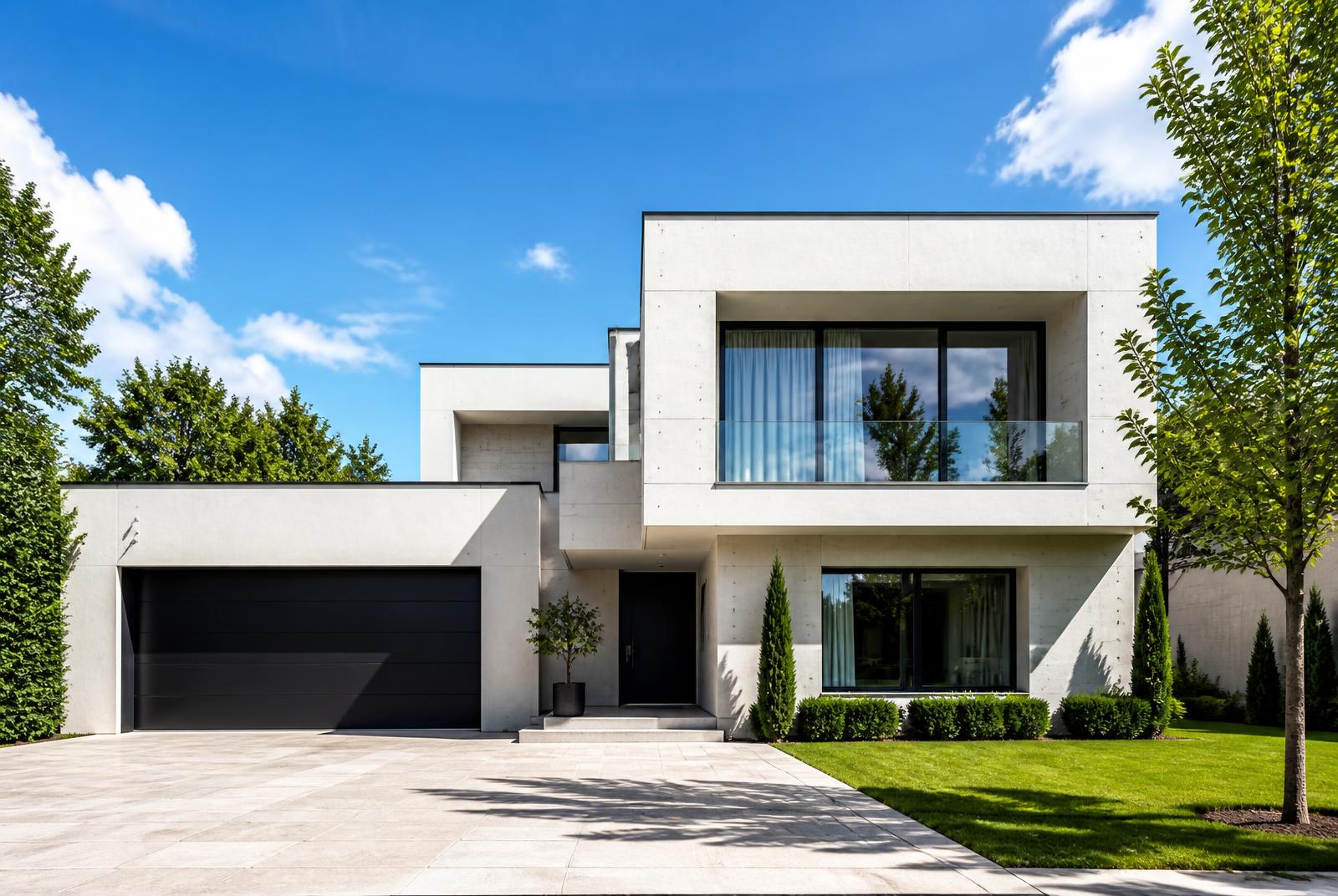
GRID AI architectural illustration — existing built environment with existing electrical connections. Conceptual.
Original GRID AI illustrations of an existing built environment. GRID AI is designed as an additional distributed compute layer behind existing electrical connections, property load first, then available capacity. Not every building is suitable, available capacity varies, and GRID AI does not create new grid capacity or electrically connect properties to one another.
Your home can do more.
Host AI.Get free electricity.
GRID AI installs and operates intelligent AI infrastructure at eligible homes. In return, GRID AI covers eligible household electricity usage.
- NO upfront investment.
- NO MAINTENANCE.
- YOUR home always comes first.
Subject to eligibility and fair use.
More value from the home you already have.
The GRID AI Node is the core of every location. Some properties may also qualify for additional energy upgrades around it.
Core proposition
GRID AI Node
Modular AI compute infrastructure, installed and operated by GRID AI.
Electricity covered
GRID AI covers eligible household electricity usage while GRID AI infrastructure is hosted at the property.
No upfront investment
GRID AI finances and installs the infrastructure.
No maintenance
GRID AI monitors, operates and maintains the system.
Subject to eligibility and fair use.
Optional energy upgrades
GRID AI Node — core
Solar
Generate more energy directly at the property.
Battery
Store energy and increase flexibility.
Heat recovery
Use compute heat in the building where that is technically suitable.
Optional upgrades are never required.
Availability depends on the property.
The house always comes first.

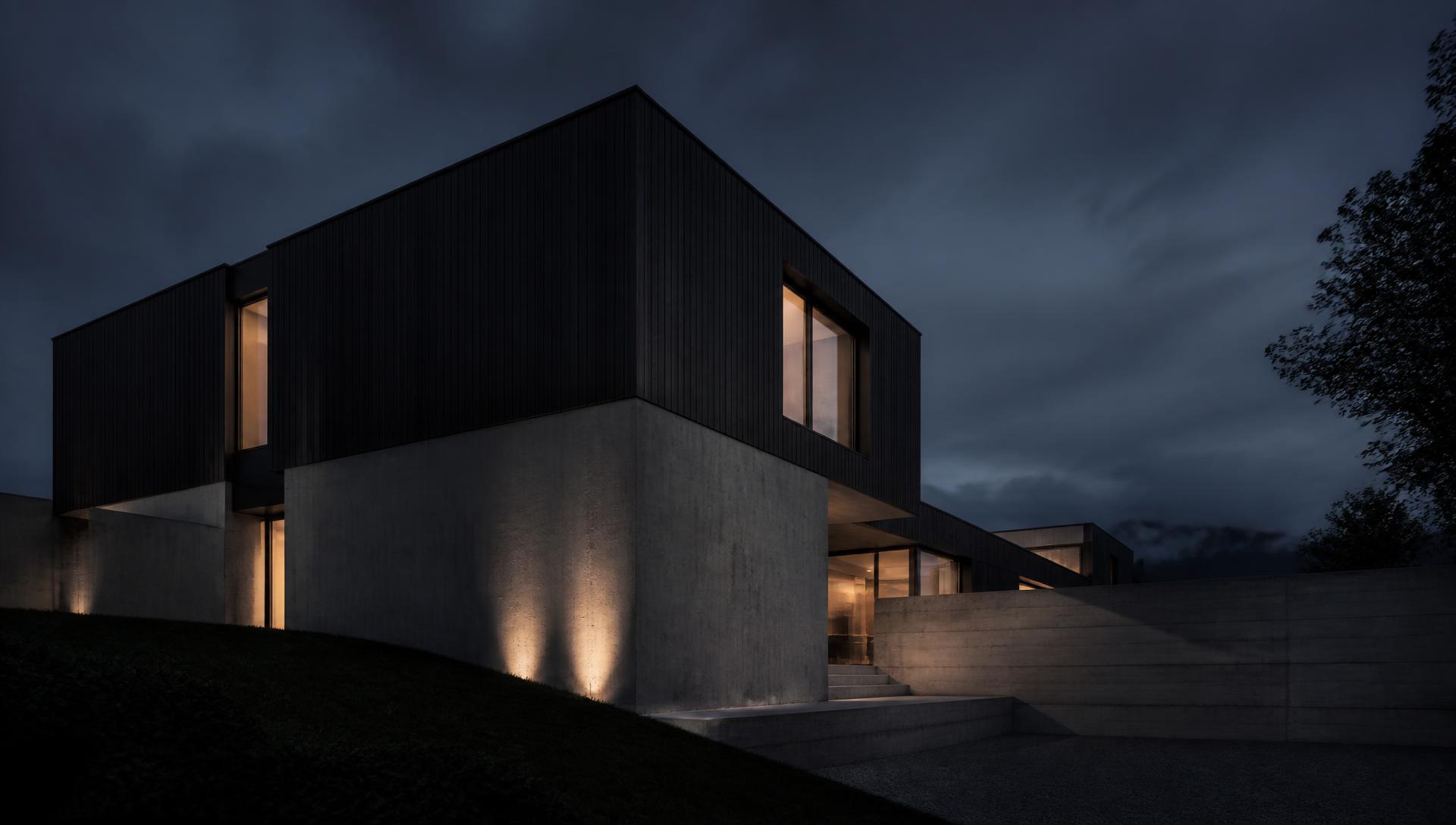

Household demand increases.
GRID AI compute gently decreases.
GRID AI automatically follows the available capacity of the property. The homeowner does nothing.
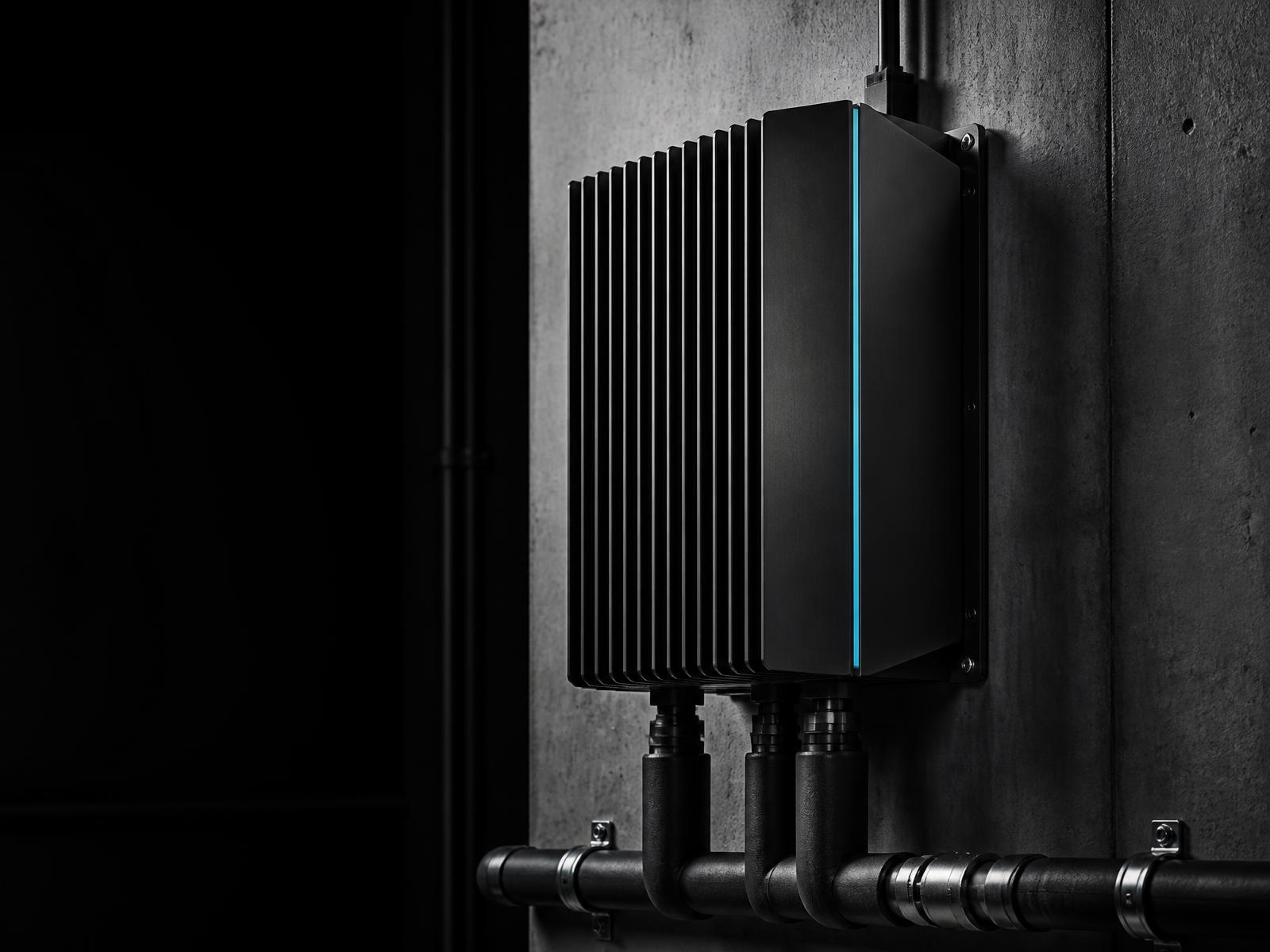
Meet the Node.
The physical building block of the network.
Layered architecture
Compute
Designed for sustained AI workloads.
Power
Intended power conversion and energy management that adapts to the capacity available, with the property's own use first.
Thermal
Intended heat capture and transfer, where useful.
Connectivity
Designed for a secure link to the network.
Control
Intended remote monitoring and coordination of workloads and power.
Scale reference
Wall mounted
Inside an existing technical volume.
Compact
Sized for utility rooms, not machine halls.
Quiet by intent
Designed for occupied buildings.
Infrastructure hardware behind an existing connection.
Not a consumer product.
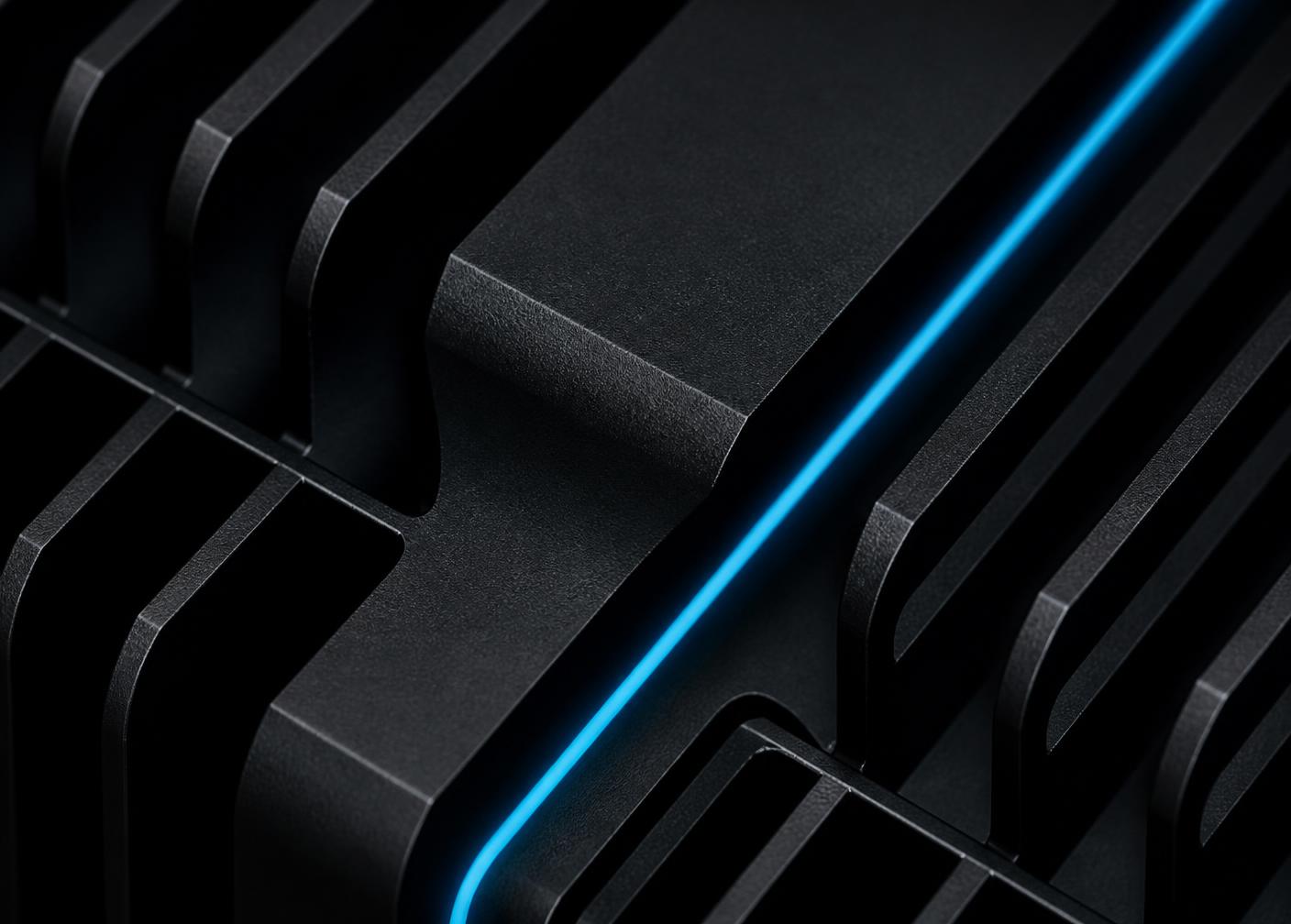
Every property is different.
So is every deployment.
GRID AI determines how much compute infrastructure a location can efficiently support. The architecture is modular, so capacity scales with the property rather than the other way around.
GRID AI location
A suitable home or building with available electrical capacity.
GRID AI Node
The physical, integrated building block installed at the location.
Modular compute capacity
Sized to what the location can efficiently support.
Home
Compact distributed compute capacity.
Large home / energy rich property
Expanded modular compute capacity.
Commercial building
Larger scale distributed compute infrastructure.
Node configurations are modular and remain in development. Capacity at any location follows site assessment.
One intelligent network.
GRID AI Orchestrator
The GRID AI Orchestrator continuously coordinates compute demand with available energy and infrastructure across the network.
The right compute.
At the right location.
At the right time.
Compute is placed where energy, capacity and conditions make it work.
One path, end to end
Building → Node → Orchestrator → Capacity → Customer
Building
Power, space and connectivity that already exist.
Node
Compact AI compute installed behind the connection.
Orchestrator
Every location coordinated as one network.
Compute capacity
Distributed capacity, aggregated.
AI customer
Compute accessed through one platform.
From homes
to entire buildings.
Commercial properties can provide larger amounts of available electrical capacity, physical space and connectivity, which means GRID AI can deploy larger modular compute installations at a single location.
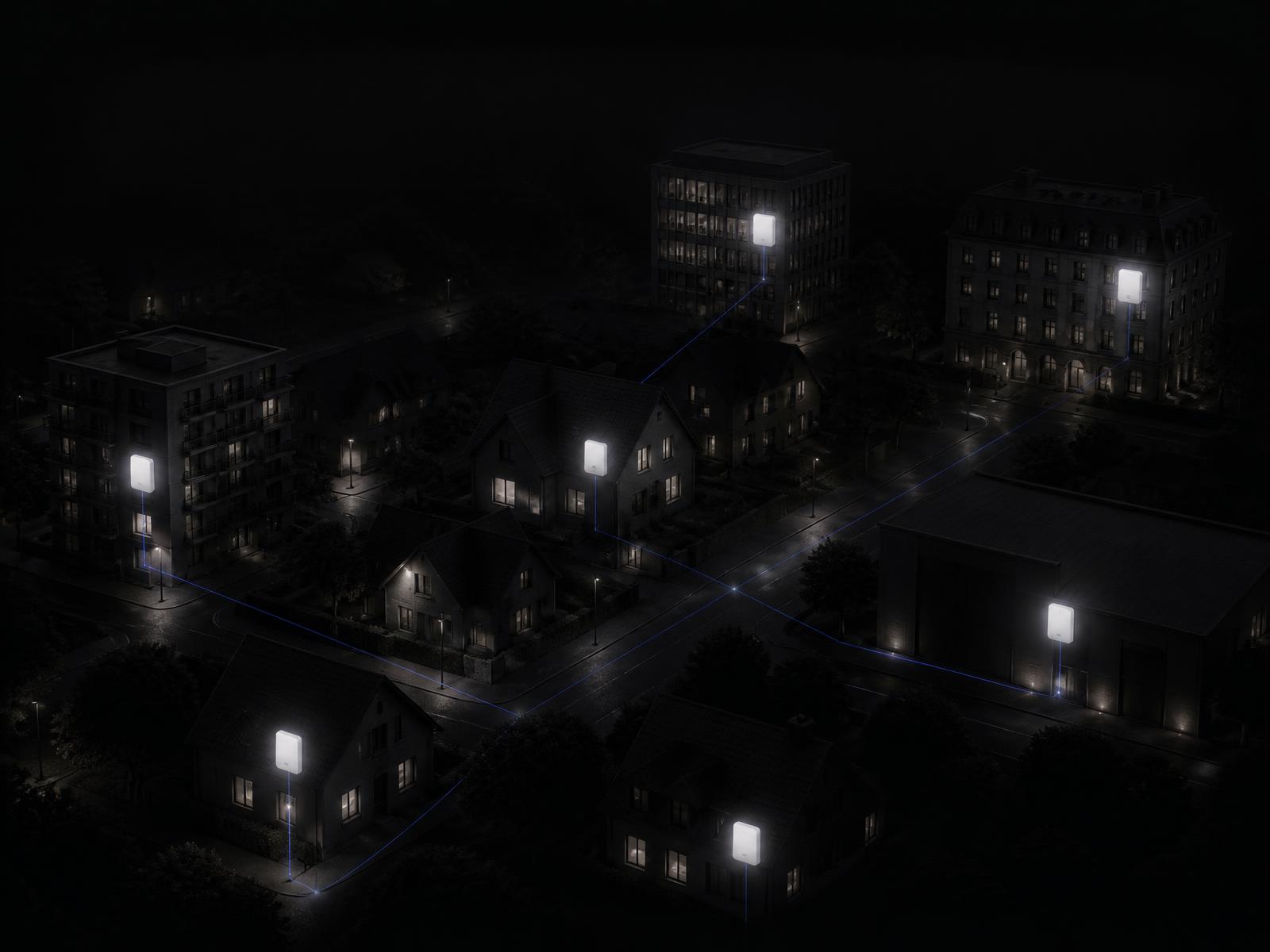
Suitable property types
Why buildings matter
Electrical capacity
Larger connections can support more compute behind one location.
Physical space
Professional technical rooms designed for equipment.
Connectivity
Business-grade network infrastructure already installed.
Residential scale.
Commercial density.
One network.
Compute.
Without another datacenter.
GRID AI aggregates distributed compute infrastructure into one intelligent AI network. AI customers access compute capacity through the GRID AI platform without needing to manage individual physical locations.
- Distributed GPU compute
- Flexible capacity
- European infrastructure
- Intelligent workload orchestration
GRID AI Flex
Flexible compute for workloads that can move or pause.
GRID AI Reserved
Reserved capacity for predictable workloads.
GRID AI Premium
Higher availability distributed capacity.
Initial suitable workloads
Product tiers are conceptual and in development. Distributed capacity is intended for workloads that suit a distributed architecture, alongside — not instead of — hyperscale clusters.
The market GRID AI plugs into.
AI compute is already traded by the GPU hour. GRID AI is designed to connect distributed compute capacity to this growing market. Pricing below is read from official external sources server-side every 30 minutes and quoted in USD.
Runpod
Reading official source
Vast.ai
Reading official source
Pricing types differ by platform. No range or average is derived across sources.
Reference GPU · RTX 5090. GRID AI Nodes are designed around modular compute capacity; hardware may vary by workload, location and commercial requirements.
From building
to compute market.
- 01
Property
Existing building and available electrical capacity.
- 02
GRID AI Node
Compute installed inside the building.
- 03
GRID AI Orchestrator
Coordinates Nodes as one intelligent network.
- 04
Compute capacity
Distributed infrastructure becomes usable AI compute.
- 05
AI customer
AI demand consumes that compute capacity.
- 01
Property
Existing building and available electrical capacity.
- 02
GRID AI Node
Compute installed inside the building.
- 03
GRID AI Orchestrator
Coordinates Nodes as one intelligent network.
- 04
Compute capacity
Distributed infrastructure becomes usable AI compute.
- 05
AI customer
AI demand consumes that compute capacity.
GRID AI is designed to turn suitable electrical capacity inside existing buildings into usable AI compute capacity, the economic bridge between the physical GRID AI network and AI demand. Compute revenue is intended to reward hosts and fund new Nodes, so each turn of the wheel adds capacity to the next.
Market price is not GRID AI revenue.
External platform prices indicate what compute customers may pay. GRID AI commercial revenue will depend on workload, utilization, commercial terms and operating performance.
One network.
Value in every direction.
AI customers
Access to distributed compute.
Property owners
Electricity savings and potential property energy upgrades.
Energy system
Flexible electricity demand that can respond dynamically to available capacity.
The operating layer
GRID AI
Every location
makes the network
stronger.
One continuous network
Blank paperMore locations
More compute
More AI demand
Higher network utilisation
Stronger economics
More locations
Compute that
follows energy.
Traditional infrastructure generally expects continuous power. GRID AI is designed to respond to local conditions instead — which turns flexibility into an advantage.
Power available
Compute up
Household demand
Compute down
Solar available
Compute opportunity
Energy expensive
Compute can adjust
Conceptual visualization of the intended network. The loop describes how the architecture is designed to compound, not a network that exists today, and every deployment depends on site assessment.
Could your home join GRID AI?
GRID AI looks at each property individually to understand what it can support. It takes a minute and there is no commitment.
Subject to eligibility and fair use.
What GRID AI looks at
Electrical capacity
How much available capacity sits behind the existing connection.
Space
Whether there is a suitable technical location for the installation.
Connectivity
The quality and stability of the internet connection.
Optional heat use
Whether recovered heat could be useful on site.
Optional solar potential
Whether the property could support additional energy generation.
Assessment framework in development
The thesis becomes a machine.
Before a million locations, there is one. MF01 is the first physical GRID AI Node prototype we are building, instrumented from day one.
The AI infrastructure
of tomorrow
may already be here.
In our homes.
In our buildings.
In the electrical infrastructure that already surrounds us.
GRID AI connects it.
Every home.Every building.One distributed AI network.
GRID AI is in early development. MF01 is a prototype in build, specifications are not finalised and no availability date is implied.